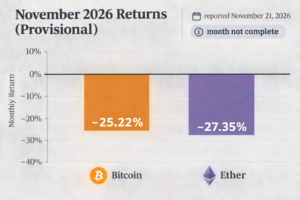
A 13F filing is a quarter-end snapshot of reportable holdings, not a live measure of Bitcoin demand. That distinction matters for the third-quarter 2026 filings: they show record reported Bitcoin ETP holdings as of September 30, even though fund holdings and Bitcoin’s price had fallen by the time the figures were discussed in November.
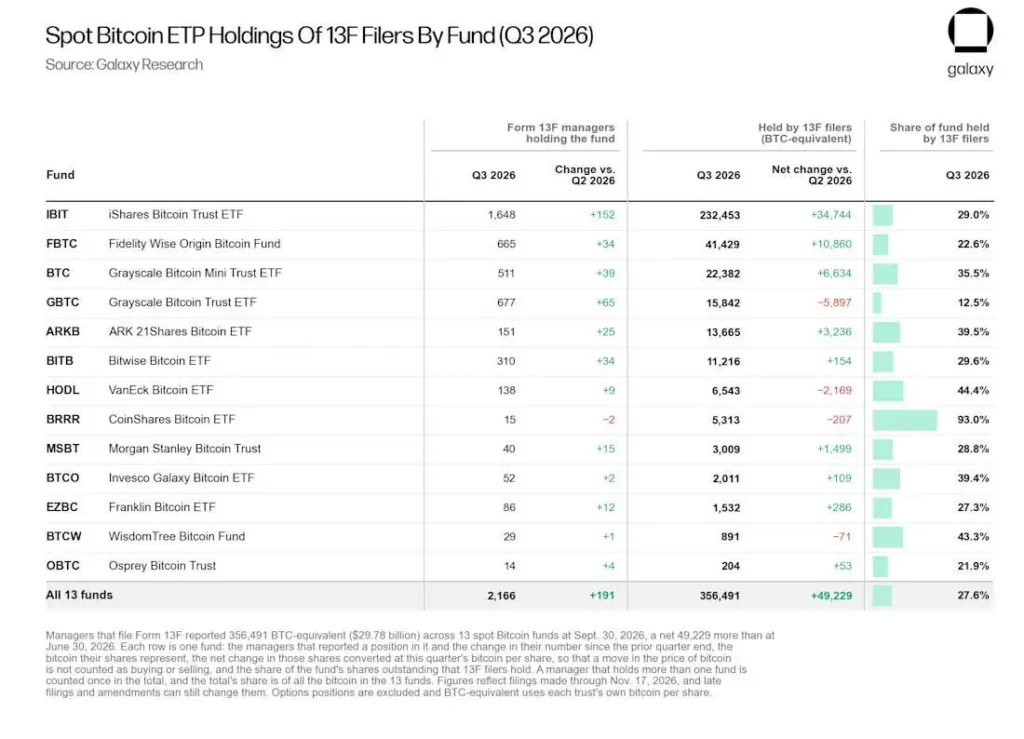
As reported on November 20, 2026, Galaxy Research’s November 19 compilation found that 2,166 filing institutions held the equivalent of 356,491 BTC in U.S. spot Bitcoin ETPs at quarter-end. The positions were worth $29.78 billion, and their BTC-equivalent quantity was a record. Net holdings rose by 49,229 BTC equivalent, or approximately $4.11 billion—the largest quarterly increase since Q2 2025.
The buyer mix matters more than the record
Investment advisers and wealth-management platforms held 144,307 BTC equivalent, or 40.5% of reported 13F holdings. Galaxy said they accounted for roughly half the quarter’s net increase, had bought on net for nine consecutive quarters, and held about 3.3 times as much as in March 2024. Hedge funds’ share of reported holdings, meanwhile, fell from 50.6% at the end of 2024 to 19.0%. That does not mean trading funds uniformly withdrew: macro funds added 10,492 BTC equivalent on net, while basis and relative-value funds added 9,184.
Growth was concentrated. The 50 largest holders added a combined 59,578 BTC equivalent; all other filers together reduced holdings by 10,349. IBIT represented 65.2% of institutional reported holdings and accounted for 34,744 BTC equivalent of the quarter’s net increase.
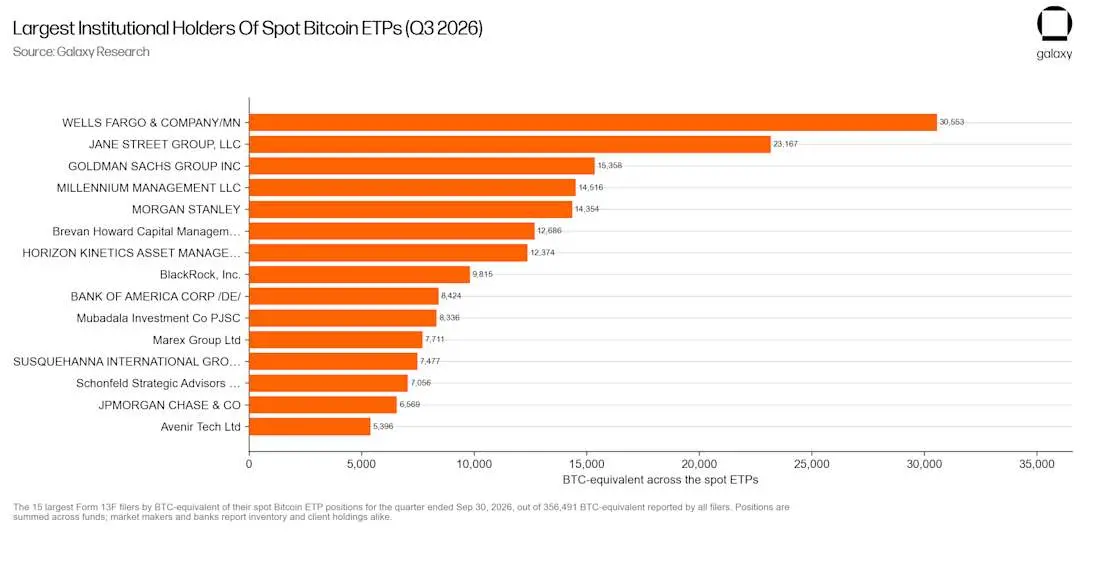
Wells Fargo became the largest 13F holder, overtaking Jane Street. Its spot Bitcoin ETP holdings rose from about 15,900 to 30,553 BTC equivalent, worth approximately $2.55 billion; its IBIT shares roughly doubled from 24.4 million to 49.58 million. But Galaxy research head Alex Thorn said on X that about 85% of Wells Fargo’s reported IBIT position came through two brokerage divisions and represented client holdings rather than proprietary or trading positions. A bank’s filing is not, by itself, evidence of a bank balance-sheet bet.
Dollar value is not the same as net buying
Goldman Sachs’s reported spot Bitcoin ETF position rose 121% to $1.283 billion. Yet its IBIT share count fell about 5% to 16.44 million; that position’s value rose largely because IBIT’s quoted price increased from $33.29 to $47.34 over the quarter. Its FBTC shares, by contrast, rose from roughly 106,000 to 5.48 million. Comparing share counts alongside market values is essential before interpreting a filing as new buying.
Trading firms’ positions require another caution. Millennium rebuilt its spot Bitcoin ETF long position, while Jane Street reduced IBIT shares but increased holdings of FBTC and ARKB. Both also reported IBIT options positions. A 13F does not show short positions, futures or swaps, or explain an option’s strike, expiry or purpose. An ETF long position could therefore be one leg of a hedge rather than a standalone bullish view.
A September snapshot, viewed in November
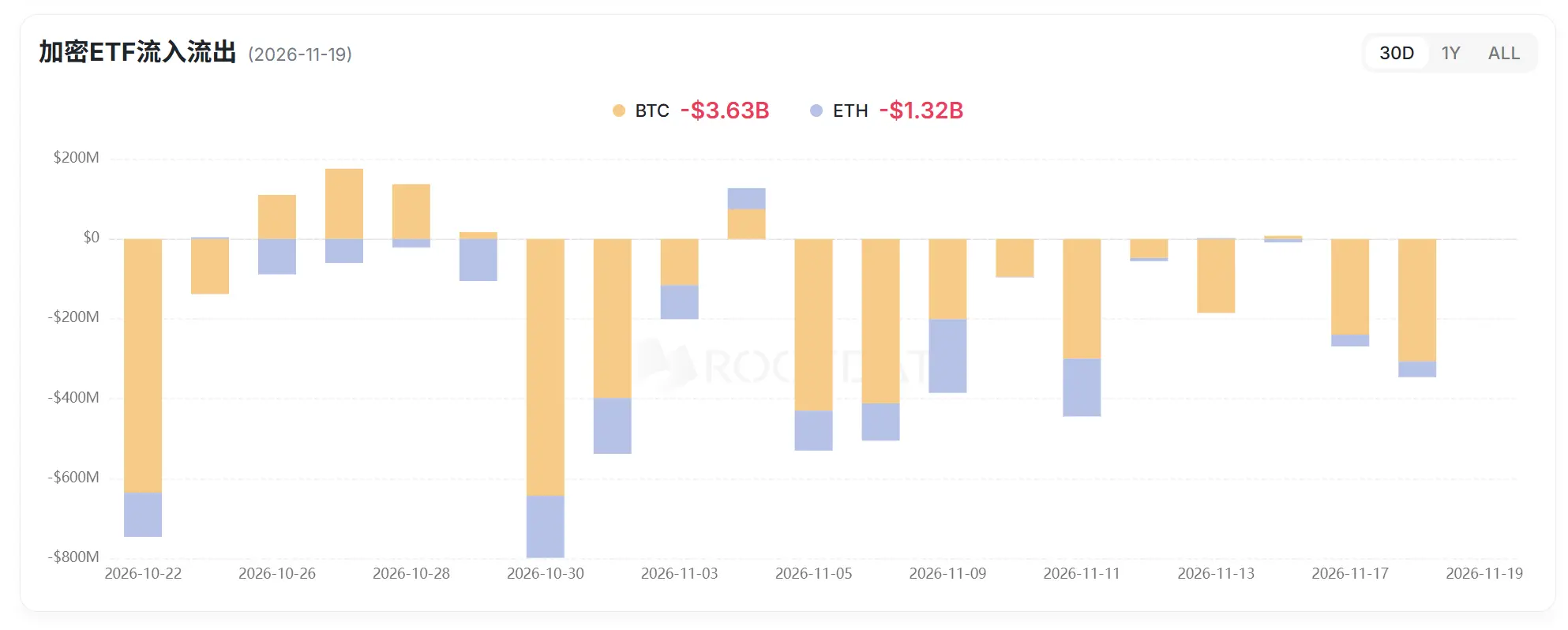
Galaxy said the relevant funds’ total BTC holdings had fallen by 38,531 BTC from quarter-end to 1,252,139 BTC by November 16, while Bitcoin’s price had declined from about $83,580 to $64,943. RootData reported roughly $3.63 billion in spot Bitcoin ETF net outflows over the month preceding the November report. Those figures do not establish whether Wells Fargo, Goldman Sachs or Millennium sold in Q4, and the fund-wide and 13F measures cannot simply be subtracted from one another.
The filings support a narrower conclusion: reported institutions held 27.6% of the BTC in these funds at September’s end, up from 24.8% at Q2’s end, with wealth-management channels contributing substantially to the increase. Whether those holdings prove more durable than trading-fund positions remained untested through the Q4 redemptions described at the time. The next filing cycle was expected in mid-February 2027.